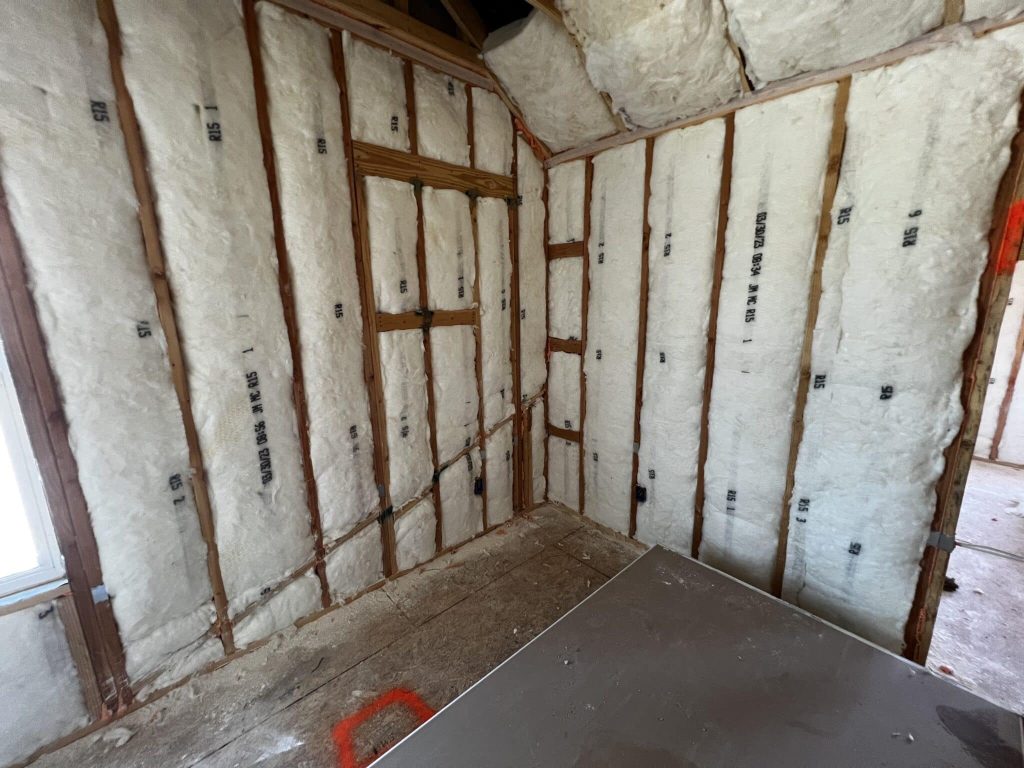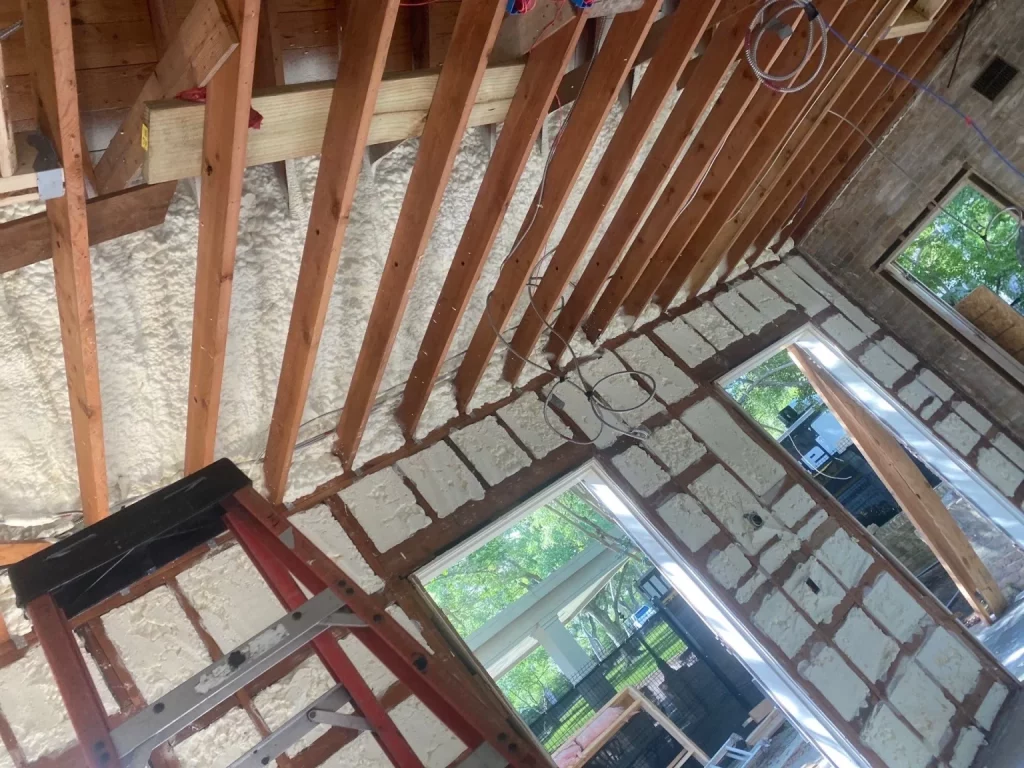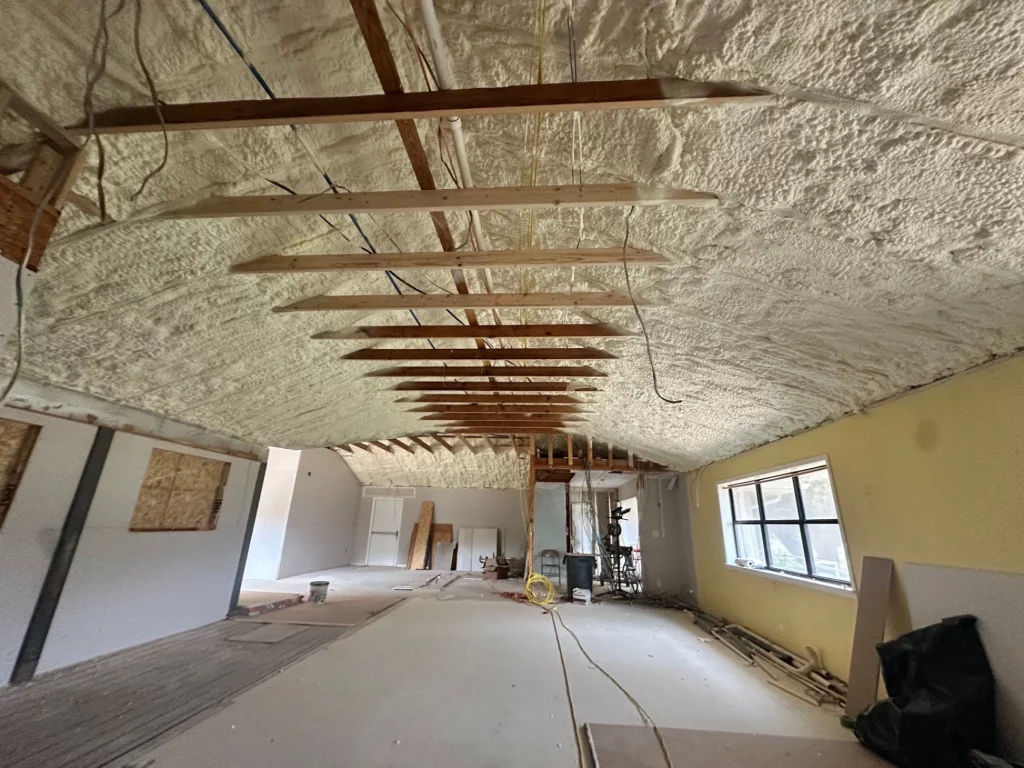
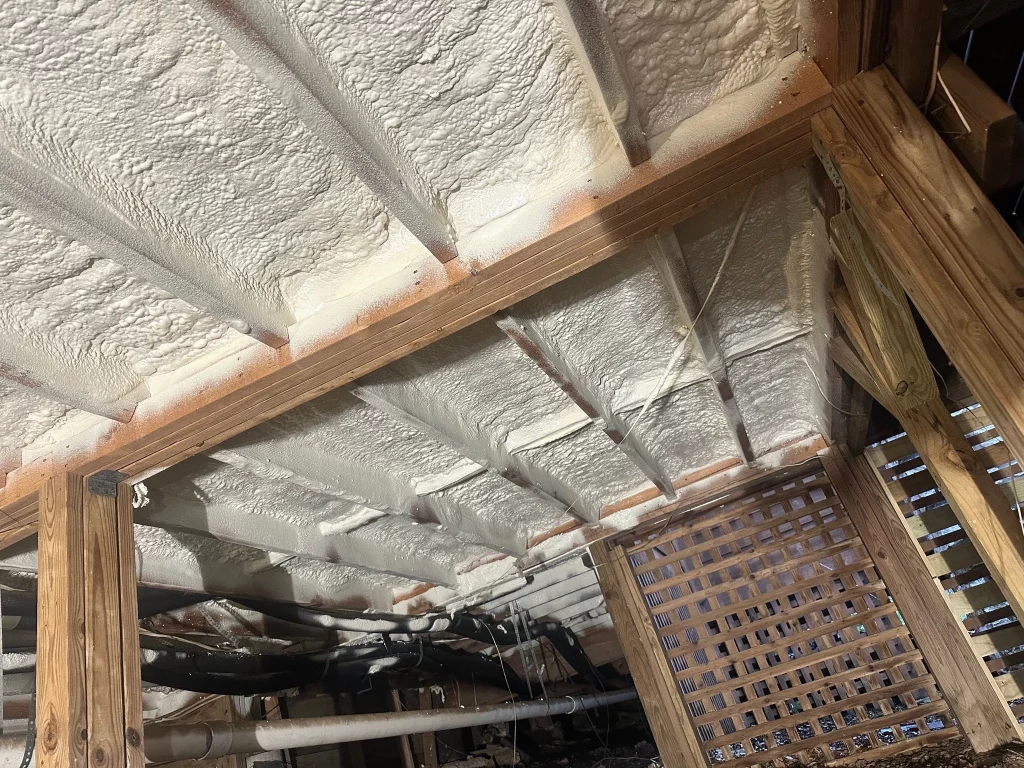
Spray foam insulation transforms your Austin attic from a heat trap that drives up your energy bills into a controlled environment that keeps your home comfortable year-round. By creating an airtight seal that prevents conditioned air from escaping and hot outdoor air from penetrating your living spaces, spray foam addresses the root causes of energy inefficiency in Central Texas homes. The combination of high R-value performance and superior air sealing makes spray foam the most effective insulation solution for Austin’s climate zone 2A, where summer temperatures regularly exceed 100 degrees and humidity levels create constant challenges for HVAC systems. Whether you choose open-cell or closed-cell spray foam, this investment creates a consistent thermal boundary between your conditioned living spaces and the extreme temperatures in your attic.
Key Takeaways
- Austin’s climate zone 2A requires R-49 to R-60 attic insulation to combat intense summer heat and occasional winter freezes
- Spray foam provides up to twice the R-value per inch compared to traditional fiberglass or cellulose insulation
- Proper attic insulation and air sealing can reduce heating and cooling costs by up to 15%, according to the Environmental Protection Agency
- Air leakage through attics accounts for 30-40% of energy waste in typical Austin homes
- Closed-cell spray foam offers R-6.0 to R-7.0 per inch with moisture resistance, while open-cell provides R-3.5 to R-4.0 per inch with superior sound absorption
- Spray foam insulation can last 80-100 years when properly installed, with minimal maintenance required
- Both types expand to fill gaps and crevices, creating a custom air seal that traditional batt insulation cannot achieve
Why Austin Attics Need Special Attention
Austin’s climate presents unique insulation challenges that differ significantly from northern regions. The combination of intense summer heat, high humidity, and occasional winter freezes creates thermal cycling that stresses inadequate insulation systems. During peak summer months, attics in the Austin area can reach temperatures well above 130 degrees, turning what should be a storage space into a thermal battery that continuously heats your home from above. Your HVAC system must work harder to offset this heat gain, translating directly into higher monthly utility bills and accelerated wear on equipment.
The U.S. Department of Energy classifies Austin as climate zone 2A, which means homeowners should target R-49 to R-60 insulation levels in attic spaces for optimal performance. Most homes built before current energy codes fall far short of these recommendations, leaving significant efficiency improvements on the table. Beyond the heat challenge, Austin’s humidity levels create moisture risks that can compromise traditional insulation materials over time, leading to reduced effectiveness and potential mold issues.
How Spray Foam Creates a Controlled Environment
Spray foam insulation fundamentally changes how your attic interacts with your living spaces by addressing three separate heat transfer mechanisms simultaneously. Conductive heat transfer occurs when thermal energy moves through solid materials, and spray foam reduces this through its cellular structure, containing either air for open-cell foam or HFC gas for closed-cell foam. Radiant heat transfer involves energy traveling as infrared light, which spray foam blocks effectively since foam insulation materials are opaque to thermal radiation. Convective heat transfer describes heat movement through air circulation, and spray foam’s most important benefit is creating a complete air seal that prevents conditioned air from escaping and hot attic air from infiltrating your home.
Unlike traditional insulation materials that simply slow heat flow through their fibers, spray foam expands on application to fill every gap, crack, and penetration in your attic structure. This expanding action creates a custom air barrier that conforms precisely to your home’s unique geometry, sealing around electrical wiring, plumbing vents, HVAC ductwork, and attic access points that would otherwise leak conditioned air. The result is a thermal envelope that performs consistently across your entire attic rather than leaving weak points where heat transfer occurs.
Open-Cell vs. Closed-Cell Spray Foam for Austin Attics
The two primary spray foam formulations serve different purposes, and selecting the right type depends on your specific attic conditions and performance goals. Open-cell spray foam expands to approximately three times its liquid volume, creating a lower-density material with an R-value of R-3.5 to R-4.0 per inch. This formulation works well in attics with adequate ventilation since it allows limited moisture vapor transmission, and it excels at sound dampening due to its softer cellular structure. Open-cell foam is typically the better value for large attic spaces where maximum R-value per dollar matters most.
Closed-cell spray foam delivers significantly higher thermal resistance with R-6.0 to R-7.0 per inch, making it the preferred choice when dealing with limited attic space or demanding climate conditions. Its dense cellular structure creates an effective vapor retarder that slows moisture transfer, which proves particularly valuable in Austin’s humid climate, where attic condensation can develop during summer months. Closed-cell foam also adds structural rigidity to roof decks, providing additional resistance against wind uplift and severe weather events that occasionally affect Central Texas.
R-Value Comparison for Insulation Materials
Understanding R-value helps you evaluate how different insulation materials resist heat flow, though this metric alone does not tell the complete performance story for your attic.
| Insulation Type | R-Value per Inch | Typical Applications | Air Sealing Ability | Moisture Resistance |
|---|---|---|---|---|
| Open-cell spray foam | R-3.5 to R-4.0 | Interior walls, vented attics | Excellent | Low to moderate |
| Closed-cell spray foam | R-6.0 to R-7.0 | Roof decks, limited spaces | Excellent | High |
| Fiberglass batts | R-2.9 to R-3.8 | Walls, floor joists | Poor without air barrier | Low |
| Blown fiberglass | R-2.2 to R-2.9 | Attics, floor cavities | Poor | Low |
| Cellulose | R-3.1 to R-3.8 | Attics, wall cavities | Poor | Low |
The critical difference lies in air sealing capability. A wall assembly insulated with traditional fiberglass batts typically performs worse than one with spray foam having the same R-value rating because air leakage through gaps in the batt insulation reduces overall effectiveness. Spray foam eliminates this performance penalty by creating a continuous air barrier across the entire insulated surface.
The Air Sealing Advantage
Air leakage represents one of the largest sources of energy waste in Austin homes, often accounting for 30-40% of heating and cooling energy loss. Gaps around plumbing stacks, electrical wiring, HVAC ductwork, attic access hatches, and ceiling penetrations create pathways for conditioned air to escape into your attic while allowing hot, humid outdoor air to infiltrate your living spaces. Traditional insulation materials cannot address these gaps because they come in pre-cut sheets or loose fill that cannot conform to irregular shapes without leaving voids.
Spray foam insulation eliminates air leakage at its source by expanding into every cavity and crevice during application. The foam adheres directly to building materials, creating a permanent bond that seals around penetrations without requiring additional caulking or weatherstripping. This comprehensive air sealing reduces the workload on your HVAC system, extends equipment lifespan, and maintains consistent temperatures throughout your home. According to the Environmental Protection Agency, properly insulating and air sealing your attic can reduce heating and cooling costs by up to 15% annually.
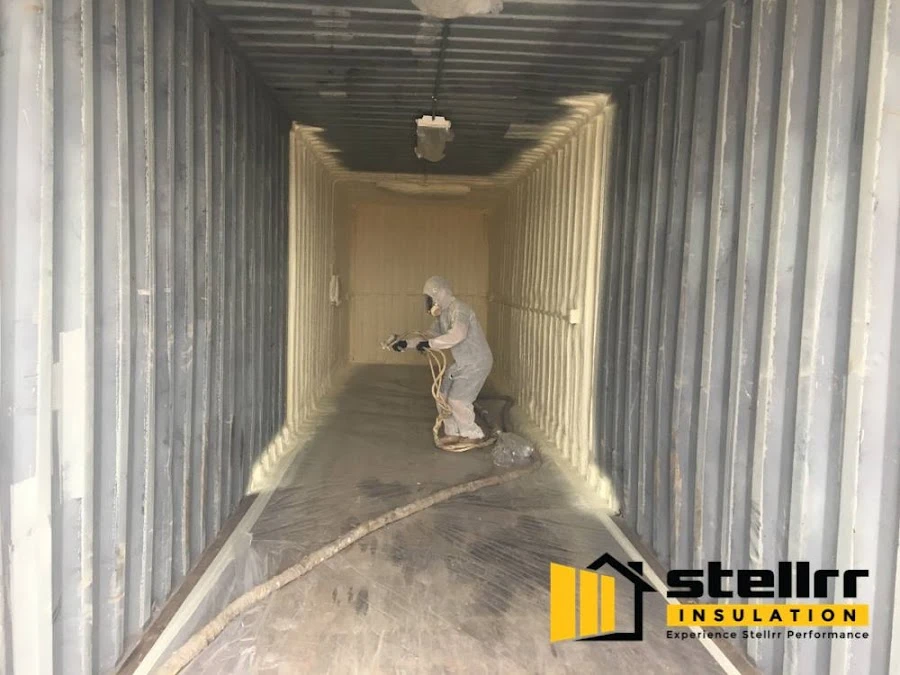
Professional Installation Process
Successful spray foam application requires careful preparation and professional technique to achieve optimal results in your Austin attic. The process begins with a thorough assessment of your current insulation levels, air sealing requirements, and ventilation adequacy. Our team inspects penetrations around electrical fixtures, plumbing vents, and HVAC ductwork to identify all areas requiring treatment before applying new insulation material.
Proper ventilation management becomes critical when encapsulating an attic with spray foam, as trapped moisture must have a pathway to escape without compromising the air seal. Our experienced technicians understand how to balance air sealing with ventilation requirements specific to Central Texas climate conditions. The foam application itself requires specialized equipment and training, as improper installation can lead to off-gassing concerns during the curing period and reduced thermal performance over time.
Common Misconceptions About Spray Foam
Many homeowners worry about the safety of spray foam insulation, but when properly installed and cured, the material is considered relatively inert according to the Environmental Protection Agency. The key requirement is allowing adequate cure time before occupying the space, as the chemicals in liquid spray foam release volatile organic compounds during the initial curing phase. Professional installers follow manufacturer guidelines for cure times based on temperature and humidity conditions in your specific attic.
Another misconception involves the belief that higher R-value alone guarantees better performance. While R-value measures thermal resistance, the real-world effectiveness of your insulation depends equally on complete air sealing and proper installation throughout the attic envelope. A thinner layer of closed-cell spray foam with excellent air sealing often outperforms a thicker layer of traditional insulation with gaps and thermal bridging through framing members.
Signs You’ve Found the Right Approach
Quality spray foam installation begins with a comprehensive attic assessment that addresses ventilation, existing insulation, and air sealing needs rather than simply quoting a price per board foot. Our team takes time to explain the specific performance benefits and trade-offs between open-cell and closed-cell options for your particular situation. We provide documentation of the air sealing improvements and projected energy savings rather than making vague promises about comfort improvements.
Look for contractors who understand Austin’s specific climate challenges and can explain how their recommended insulation strategy addresses the heat, humidity, and thermal cycling your home experiences. Transparency about installation procedures, cure times, and any required preparation on your part indicates a professional operation that prioritizes long-term results over quick sales.
Take Control of Your Attic Environment
Our team at Stellrr Insulation & Spray Foam brings specialized expertise in spray foam insulation for Central Texas homes, understanding exactly how Austin’s climate zone 2A conditions affect residential energy performance. We evaluate your attic as a complete system, addressing air sealing, ventilation, and insulation together rather than treating these elements in isolation. Contact us today at info@stellrr.com or call 512-520-0044 to schedule your professional assessment and discover how spray foam can transform your attic into a controlled environment that keeps your home comfortable while reducing your monthly energy costs. Our specialists will explain your options, provide a detailed proposal, and answer every question you have about the installation process.
Frequently Asked Questions
How long does spray foam insulation last in an Austin attic?
When properly installed, spray foam insulation maintains its thermal performance and air sealing capability for 80 to 100 years with virtually no maintenance required. Unlike traditional insulation materials that can settle, compress, or absorb moisture over time, spray foam remains stable throughout its service life.
Will spray foam insulation help with the extreme heat in my Austin attic during summer?
Yes, spray foam creates a comprehensive air seal that prevents hot attic air from infiltrating your living spaces while blocking radiant heat transfer from your roof deck. This allows your HVAC system to maintain comfortable temperatures without working overtime during Austin’s hottest months.
Can spray foam help reduce my high summer energy bills?
By eliminating air leakage and providing superior thermal resistance, spray foam insulation reduces the energy required to cool your home. According to the Environmental Protection Agency, proper attic insulation and air sealing can reduce heating and cooling costs by up to 15% annually.
What is the difference between open-cell and closed-cell spray foam for attic use?
Open-cell spray foam costs less per inch and provides good sound absorption, while closed-cell spray foam offers higher R-value per inch and moisture resistance. For Austin’s climate, closed-cell often proves advantageous due to humidity control needs, though open-cell works well in properly ventilated attics.
Do I need to leave my home during spray foam installation?
Most homeowners can remain in their homes during spray foam installation, though we typically recommend staying out of the immediate work area during application and the initial cure period. Our team follows EPA guidelines for safe installation practices and provides specific guidance based on your project scope.
Sources
- Department of Energy – Insulation – Official guidance on R-value recommendations by climate zone, including Austin’s zone 2A requirements for attic insulation ranging from R-49 to R-60.
- Environmental Protection Agency – Seal and Insulate with ENERGY STAR – Federal program information on air sealing requirements and the relationship between proper insulation and energy cost savings for homeowners.
- Superior Spray Foam – R-Values Comparison – Technical comparison of R-values across insulation types, including open-cell spray foam at R-3.5 to R-4.0 per inch and closed-cell spray foam at R-5.6 to R-8.0 per inch.
- iFOAM – Benefits of Spray Foam Insulation – Comprehensive overview of spray foam benefits including reduced heat transfer, air sealing capability, moisture resistance, and energy savings for residential properties.
- Affordable Insulation Texas – Austin Attic Insulation Guide – Local perspective on Austin climate challenges, including how thermal cycling and humidity affect insulation performance in Central Texas homes.