Mold growth in spray foam insulation is a legitimate concern for homeowners and builders in the Cedar Park area, and the issue deserves a clear, honest explanation. When spray foam is installed correctly, it resists mold growth better than traditional insulation materials. However, mold can develop under specific conditions, primarily when moisture becomes trapped within or against the foam, or when installation errors create gaps where condensation accumulates. Understanding these conditions helps you prevent problems and make informed decisions about insulation in your home.
Key Takeaways
- Spray foam insulation itself does not support mold growth, but moisture trapped against it can create conditions for mold on adjacent surfaces.
- Improper installation, including incomplete application and inadequate ventilation, is the most common cause of moisture-related issues.
- Open-cell and closed-cell spray foam respond differently to moisture, with closed-cell being more resistant but not immune.
- Controlling indoor humidity, ensuring proper ventilation, and working with experienced installers are your most effective prevention strategies.
- Regular inspection of attic spaces, rim joists, and areas with limited airflow helps catch moisture problems early.
- The climate in the Cedar Park region, with its humidity and temperature fluctuations, creates specific considerations for insulation performance.
- Addressing existing mold requires professional remediation that includes both the mold and the moisture sourc.e
Why Spray Foam Insulation Attracts Mold Concerns
Spray foam insulation gained popularity because it creates an effective air barrier and offersa high R-value per inch. These same properties, however, create confusion about mold risks. When spray foam is sprayed against sheathing, it can seal moisture from the interior into the wall cavity. If that moisture cannot escape, it accumulates behind the foam and creates conditions for mold growth on wood surfaces, even though the foam itself remains unaffected.
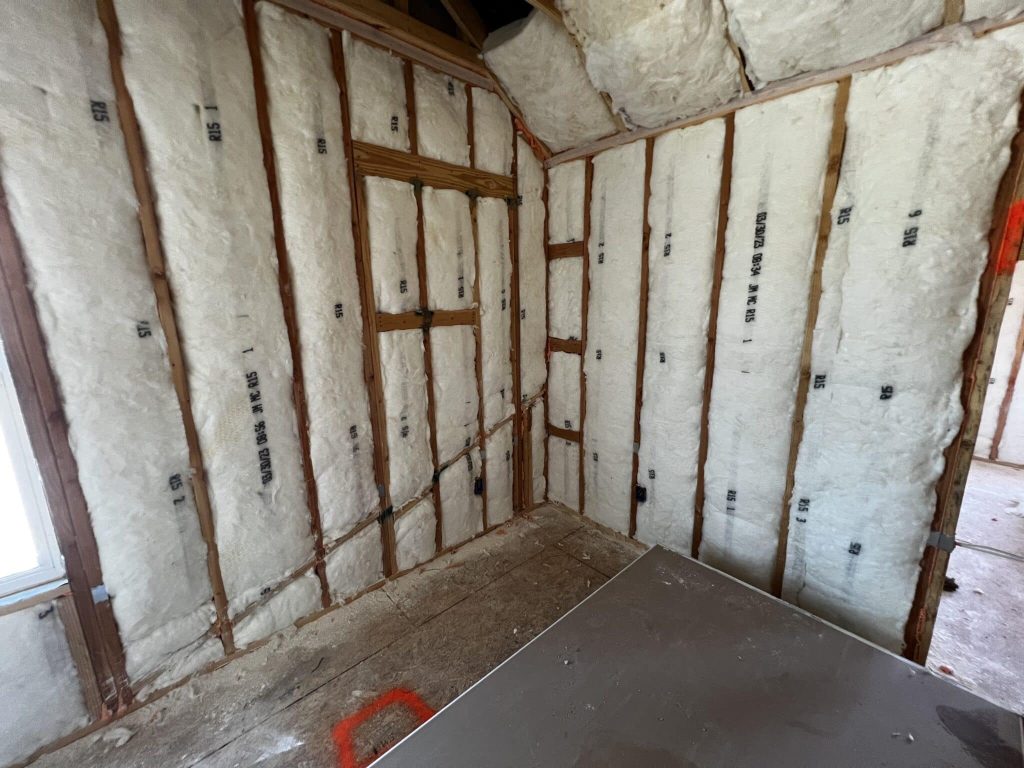
This phenomenon occurs because spray foam stops the normal drying process that happens in walls with traditional insulation. In a standard wall with fiberglass batts, air moves through the cavity and helps any trapped moisture evaporate. Spray foam fills the entire space, which prevents airflow and traps any moisture present during installation or entering through vapor diffusion over time.
The risk is highest in climates with high humidity, where temperature gradients between conditioned interior spaces and unconditioned attics or crawl spaces create condensation points. Our team at Stellrr has inspected numerous homes where spray foam was installed without proper attention to these climate-specific factors.
Common Causes of Moisture Issues in Spray Foam Installations
Several installation and design factors contribute to moisture problems that can lead to mold growth. Understanding these causes helps you evaluate whether your current insulation poses a risk or whether a new installation will be done correctly.
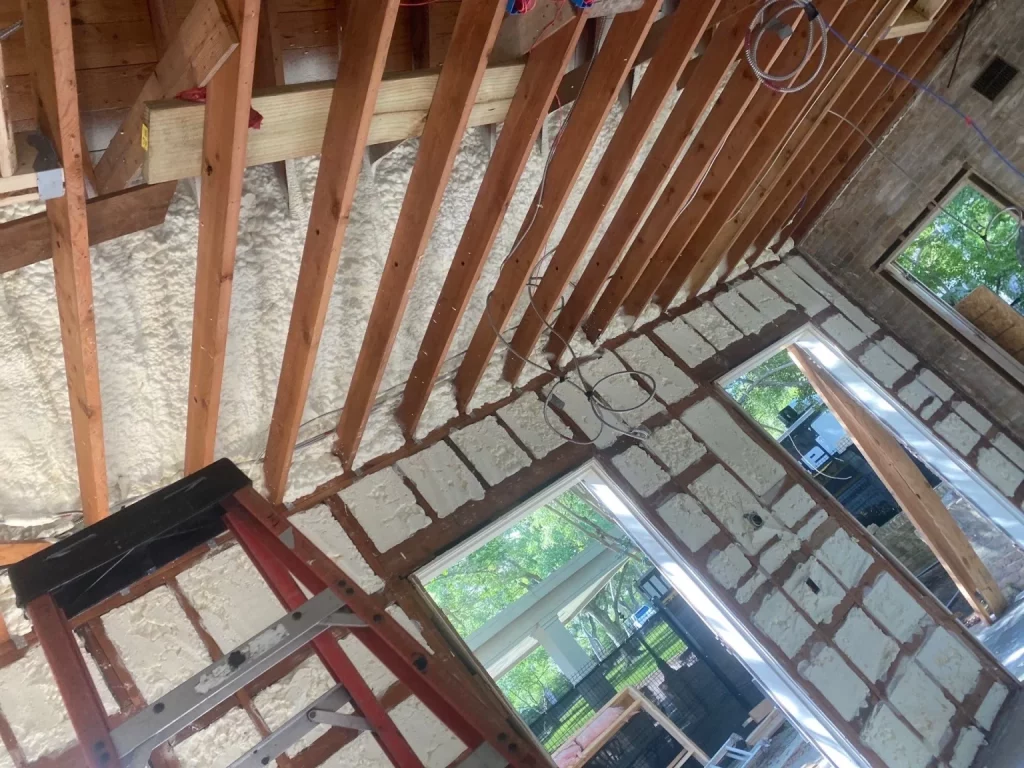
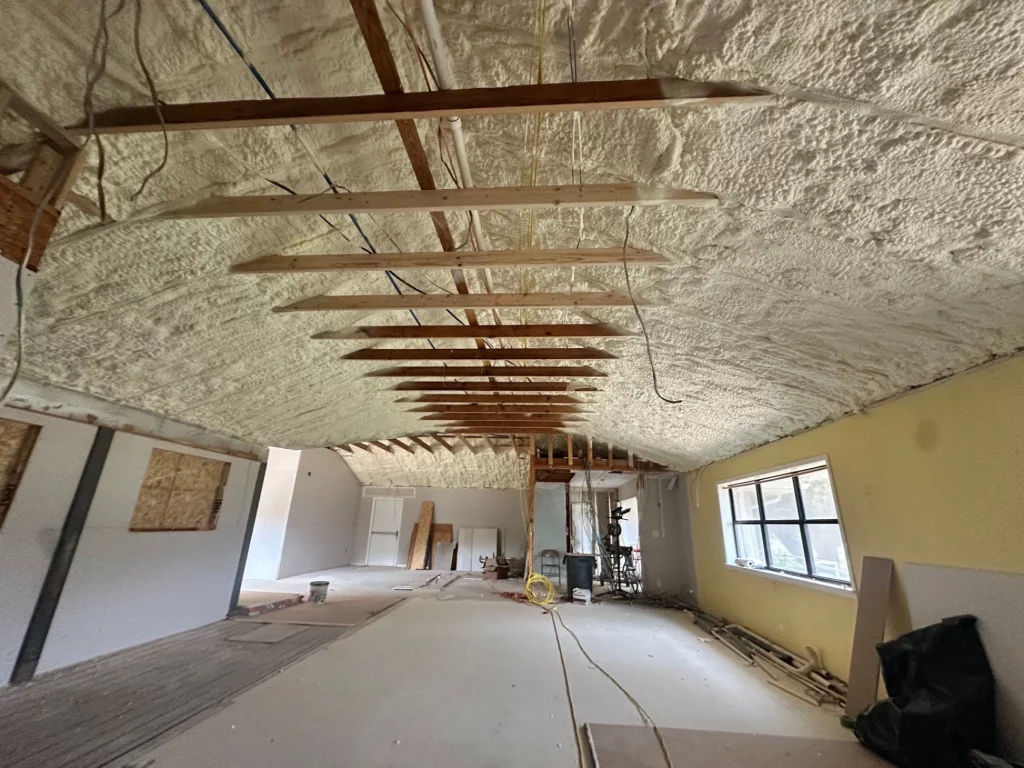
Inadequate Ventilation in Attic Spaces: When spray foam is applied to the underside of the roof deck in an attic, it changes how that space functions. If the attic was previously vented and spray foam eliminates those ventilation paths, heat and moisture can accumulate. Without proper intake and exhaust vents designed into the new system, humidity levels rise and condensation forms on cool surfaces.
Incomplete Coverage and Gaps: Spray foam must be applied continuously across all surfaces to be effective. Gaps between spray foam and other building materials, or between separate spray foam applications, create thermal bridges where warm, moist interior air reaches cool surfaces and condenses. These gaps often occur around penetrations for electrical wiring, plumbing, and HVAC ductwork.
Moisture Present During Installation: Spray foam cures through a chemical reaction that generates heat. If the substrate (the surface being sprayed) contains moisture or if conditions are too humid during application, the foam may not adhere properly and can create pockets where moisture collects.
Missing or Failed Vapor Barriers: In our Texas climate, vapor drives from heated interiors toward colder exteriors during the winter months. Without proper consideration of vapor diffusion rates and appropriate retarder placement, moisture can migrate through walls and accumulate at the spray foam interface.
Improper Thickness Application: Applying too thin a layer of closed-cell spray foam can allow moisture vapor to pass through. Applying too thick a layer of open-cell foam can trap moisture from construction that cannot escape. Both scenarios create conditions for condensation and potential mold development on surrounding materials.
Open-Cell vs. Closed-Cell Spray Foam: What You Need to Know
Choosing between open-cell and closed-cell spray foam affects your mold risk profile. These materials respond differently to moisture, and selecting the right product for each application matters.
| Property | Open-Cell Spray Foam | Closed-Cell Spray Foam |
|---|---|---|
| Mold Resistance | Allows moisture passage, dries slowly | Resists moisture penetration, dries quickly |
| Typical Applications | Interior wall cavities, ceiling assemblies | Exterior roof decks, below-grade applications |
| Vapor Permeance | Permeable (allows vapor flow) | Impermeable (acts as a vapor barrier) |
| Installation Risk | Can trap construction moisture | Less likely to trap moisture if applied correctly |
| Cost Considerations | Generally, lower material cost | Higher material and application cost |
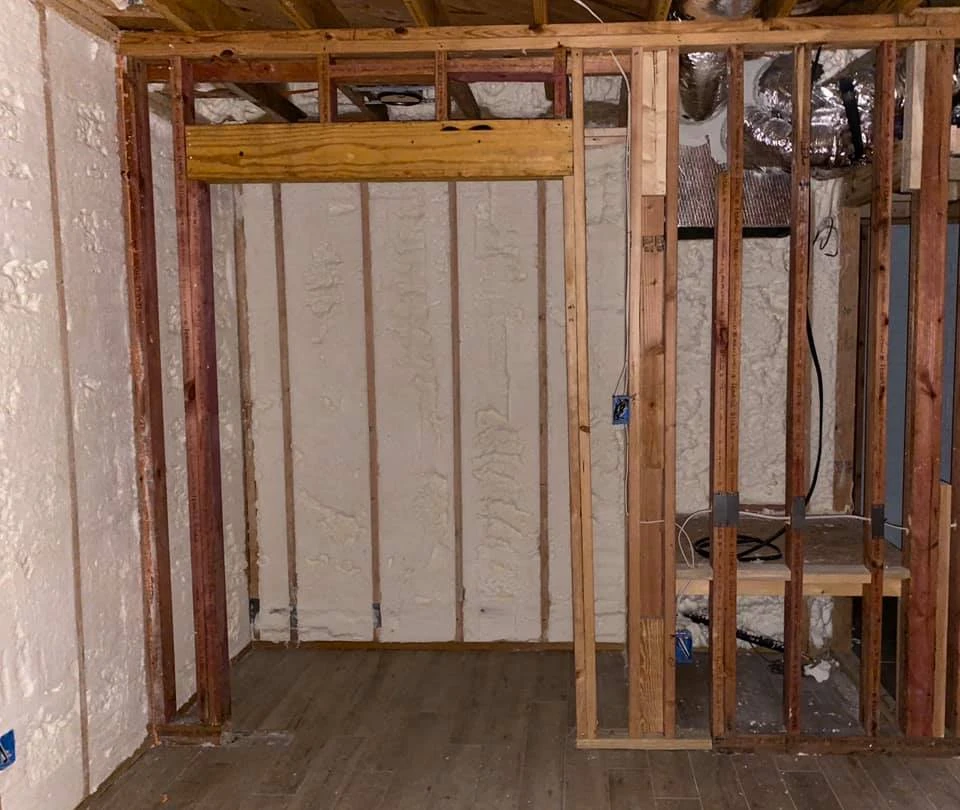
Open-cell spray foam, typically used in interior applications like wall cavities, allows moisture vapor to pass through it. While this can be beneficial in some assemblies, it means open-cell foam in a wall cavity can hold moisture if the exterior sheathing is not properly protected. Closed-cell spray foam creates an effective vapor barrier, which prevents moisture from reaching sensitive surfaces but requires careful consideration of where that barrier sits in the wall assembly.
Our professionals at Stellrr evaluate each project’s specific conditions, including climate zone, wall assembly composition, and heating and cooling patterns, before recommending which type of spray foam to use.
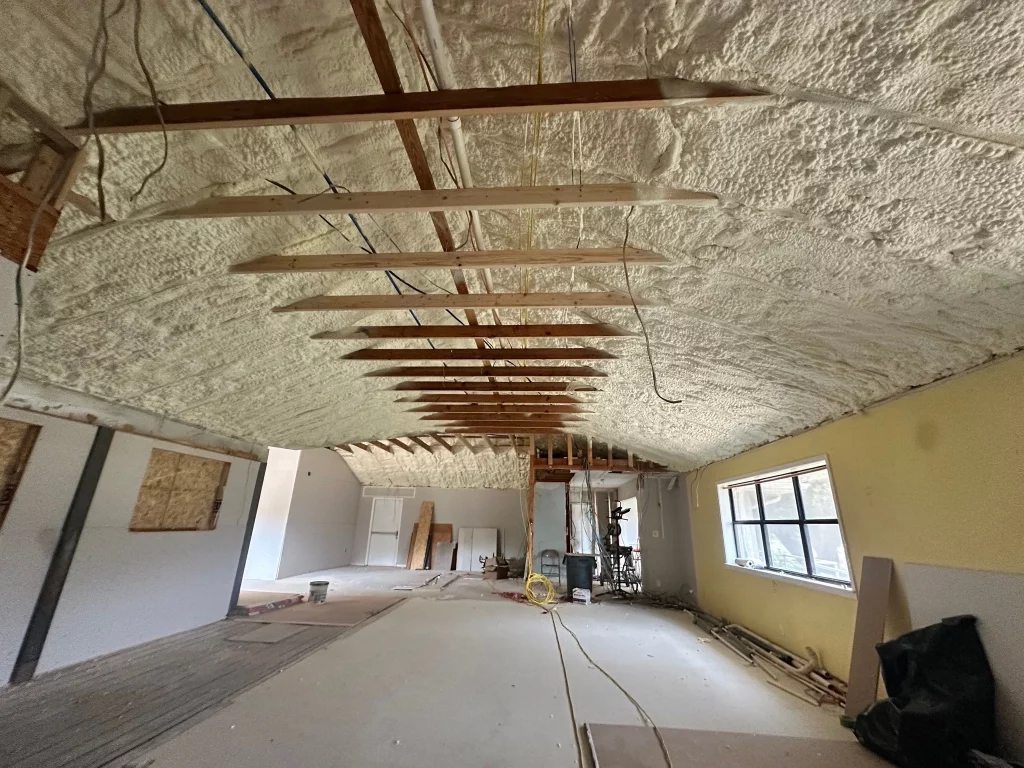
Prevention Strategies That Work
Preventing mold growth in spray foam insulation starts with proper installation and continues with home maintenance. These strategies address the most common failure points we see in the field.
Work With Certified Installers: Look for installers who understand the specific climate considerations for the Cedar Park, TX region and who can explain their moisture management approach. Experienced applicators know how to adjust mixture ratios, application thickness, and timing based on temperature and humidity conditions on installation day.
Ensure Adequate Attic Ventilation: If spray foam is being applied to the roof deck, the attic ventilation design must be part of the project scope. This means confirming intake vents at the eaves and exhaust vents at the ridge are present and functional. Some older homes in Cedar Park have inadequate ventilation that worked adequately with previous vented attic designs, but will fail after spray foam conversion.
Control Interior Humidity: Running exhaust fans in bathrooms and kitchens, using whole-home dehumidification when appropriate, and ensuring dryer vents exhaust to the exterior all reduce the moisture load inside your home. This protects your insulation investment regardless of which type is installed.
Schedule Post-Installation Inspection: After spray foam installation, arrange for an inspection that includes checking for complete coverage, proper adhesion, and any visible moisture issues. Our team offers follow-up assessments to verify installation quality and catch problems while they remain minor.
Monitor Over Time: Even properly installed spray foam insulation benefits from periodic inspection, particularly in attic spaces and near mechanical penetrations. Annual checks allow you to identify any changes in conditions before they escalate.
Signs Your Spray Foam May Have a Moisture Problem
Recognizing early warning signs helps you address moisture issues before they lead to mold growth or structural damage. Watch for these indicators in your home.
- Musty odors appearing in areas near exterior walls or in attic spaces suggest moisture accumulation, even if mold is not yet visible
- Discoloration or staining on wall surfaces, particularly near corners, windows, or where walls meet ceilings, can indicate ongoing condensation
- Soft or deteriorating drywall near baseboards or in corners may mean moisture is affecting the wall assembly from behind
- ** condensation on windows**, especially in morning hours, signals high indoor humidity that may affect wall assemblies
- Higher-than-normal heating and cooling bills can indicate that insulation performance has been compromised by moisture
If you notice any of these signs, contact our professionals at Stellrr for a thorough assessment. Early intervention prevents more extensive remediation costs.
When Remediation Becomes Necessary
If moisture has already led to mold growth, addressing only the visible mold leaves you vulnerable to recurring problems. Effective remediation requires three steps working together.
First, identify and correct the moisture source. This might involve improving ventilation, repairing water leaks, adjusting interior humidity levels, or adding vapor barriers. Without this step, mold will return even after cleaning.
Second, assess the extent of mold growth. Small areas of surface mold on accessible surfaces can often be addressed through cleaning. Mold growth within wall cavities or on structural elements requires more extensive remediation by qualified professionals.
Third, repair or replace affected materials. In some cases, spray foam that has been exposed to sustained moisture may need to be removed and reapplied. This is particularly true if the foam’s adhesion has been compromised or if mold has grown into the foam itself.
Take Action to Protect Your Home
Mold growth in spray foam insulation is preventable when installation is done correctly with attention to the specific conditions in your Cedar Park home. At Stellrr Insulation & Spray Foam, our experienced team understands the climate factors, building envelope, and material properties that affect insulation performance and longevity. We start every project with a thorough assessment and communicate clearly about moisture management strategies before work begins.
Ready to discuss your insulation needs or address concerns about your current installation? Reach out via email at info@stellrr.com or call us directly at 512-520-0044. Our team is here to help you make informed decisions about your home’s comfort and protection.
Frequently Asked Questions
Can spray foam insulation itself grow mold?
Spray foam is made of plastic polymers that mold cannot digest, so the foam itself will not support mold growth. However, mold can grow on other surfaces adjacent to or behind the spray foam if moisture becomes trapped in those areas.
How do I know if moisture is trapped behind my spray foam insulation?
Signs include musty odors in interior spaces, visible condensation on windows or walls, unexplained increases in utility bills, and staining or discoloration on wall surfaces. A professional assessment with moisture meters can determine if moisture levels are elevated behind the foam.
Is spray foam insulation safe to use in humid climates like Texas?
Yes, spray foam insulation is safe and effective in humid climates when installed correctly. The key is ensuring proper ventilation design, appropriate foam type selection for each application, and control of interior humidity levels.
What should I ask my spray foam installer about mold prevention?
Ask about their approach to ventilation in attic applications, how they account for vapor drive in this climate, what thickness they recommend for your specific walls or roof assembly, and whether they offer post-installation inspection services.
How long does spray foam insulation last when installed properly?
Properly installed spray foam insulation maintains its performance characteristics for the life of the building envelope. Unlike fiberglass, which can settle or become less effective over time, spray foam adheres to surrounding surfaces and resists degradation.
Sources
- U.S. Department of Energy – Insulation Materials – Federal guidance on insulation types, properties, and applications for residential buildings.
- Environmental Protection Agency – A Brief Guide to Mold, Moisture, and Your Home – EPA resources on identifying, preventing, and addressing mold in residential settings.
- Building Science Corporation – Spray Foam Insulation – Technical research and guidance on building enclosure performance and moisture management.
- American Society of Heating, Refrigerating and Air-Conditioning Engineers – Humidity Control Guidance – Industry standards and technical resources for humidity management in buildings.
- Texas A&M AgriLife Extension – Home Energy Efficiency – University-based resources on energy efficiency and building performance for Texas conditions.